Guides / Compliance
How a Cashew Processor Answers an Importer's Supplier Questionnaire
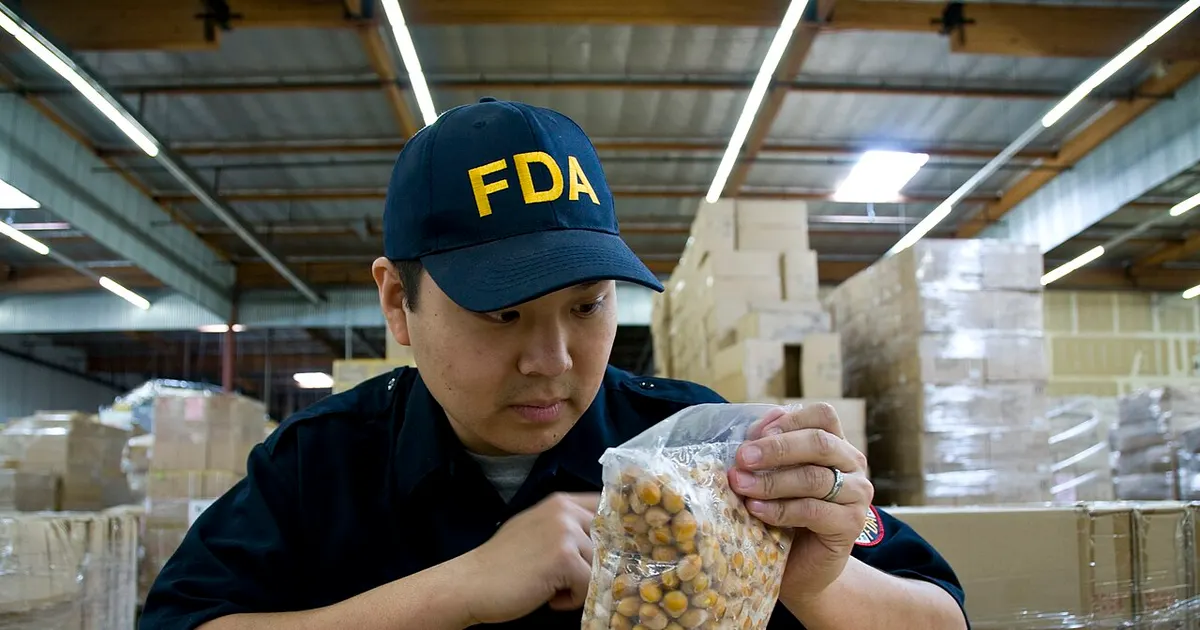
A supplier questionnaire is the paper side of an importer’s supplier approval. For a US importer, that approval has a legal list behind it: the importer has to evaluate your food safety procedures, your compliance history with FDA and your food safety history before it approves you, and then has to verify. If you keep a document for each item on that list, you can answer almost any questionnaire quickly and consistently.
This guide is for the owner or export sales engineer of a cashew processor. This is not legal advice. We read the US regulation and say so where a point is our reading. European and Japanese buyers send their own forms, which we did not read, so this guide covers the US rule only.
What the importer must evaluate
Section 1.505 of the Foreign Supplier Verification Programs rule says that when an importer approves a foreign supplier it must consider the following. The right-hand column is what the importer will usually want from you.
| What the rule lists | What the importer wants from you |
|---|---|
| The food’s hazard analysis and which entity controls each hazard | Which hazards your plant controls (aflatoxin, Salmonella, foreign matter) and which you pass to a supplier or to the buyer |
| Your procedures, processes and practices related to food safety | Your food safety plan or its summary, flow diagram, the key process controls |
| Your compliance history with FDA food safety regulations, including any warning letter, import alert or other FDA compliance action | A true statement, with documents if there is something to explain |
| Your food safety history: test results, audit results and how responsive you are in correcting problems | Recent lab results, audit reports and corrective action examples |
| Other factors, such as storage and transportation practices | Warehouse conditions, container loading and seal procedure |
The rule also says the importer must promptly reevaluate when it learns new information about these factors, and at the end of any three-year period. That is why a questionnaire answered three years ago is not enough, and why a processor should tell an importer early when something material changes.
What the importer does after the questionnaire
The questionnaire feeds the evaluation. Verification comes next, and section 1.506 lists the options: an onsite audit, sampling and testing, review of your food safety records, or another appropriate activity. For a hazard that is serious and controlled by the supplier, an onsite audit is generally required before the first import and at least once a year after, unless the importer documents that other activities or a less frequent audit are adequate.
Four details in that section affect how you prepare:
- A qualified auditor performs the audit, considers FDA’s food safety regulations and reviews your written food safety plan if you have one. Have the plan ready to hand over.
- Sampling and testing must be documented by food and lot, number of samples, methods, dates, results, laboratory and the qualified person who tested. Your lot codes need to line up with the importer’s sample record.
- A review of your records is documented with the dates, the general nature of the records and the conclusions, so expect the importer to ask for real records, not only procedures.
- Financial conflicts must not influence the verification results, and the supplier or its employees cannot perform verification activities other than sampling and testing. In our reading, a form you fill in is information for the importer’s evaluation, and it does not replace the importer’s own audit, test or record review.
Sections you will meet, and how to answer each
Questionnaire layouts vary. The ten groups below are our own grouping of the rule’s list plus the plant records an auditor or importer can ask for, so use it as a checklist and not as a copy of any buyer’s form. The table gives what to attach and the trap to avoid.
| Section | What can be asked | Attach | Trap |
|---|---|---|---|
| Company and site | Legal name, address, FDA registration, contacts | Registration details, site address, named contact for food safety | Different addresses on different documents |
| Product and process | Raw or treated, process flow, kernel forms | Flow diagram; for a heat step, the validation summary | A flow diagram that omits the rework loop |
| Food safety system | Written plan, who is qualified to run it | Plan or summary, name and role of the responsible person | Naming a person who has left |
| Certificates | Scheme, scope, date, issuing body | Certificate with scope page and audit date | A scope that does not cover the product or site shipped |
| Raw material control | Raw nut origin, supplier approval, intake checks | Approved supplier list rules, intake moisture and aflatoxin routine | “Local origin” with no record |
| Testing | Aflatoxin, micro, residues, laboratory, plan | Recent reports with lot code, method and lab | Reports with no lot code |
| Traceability and recall | Lot coding, one step back and forward, mock recall | Lot code scheme, packing list sample, last mock recall record | A recall plan that was never tested |
| Compliance history | FDA warning letters, import alerts, refusals | A plain true answer and explanation if needed | Answering “none” without checking |
| Complaints and claims | Complaint log, corrective actions | Log summary and one closed example | A log that is always empty |
| Storage and shipping | Warehouse, pest control, container loading | Procedures and a loading record | Procedures that do not match what the floor does |
Where a section calls for a certificate, read how SMETA audits at cashew factories and BRCGS certificates are checked, because importers do check them. If the buyer asks for your FDA facility registration, see our page on FDA registration for cashew processors.
Need a price for this grade? Request a quote
Rules for answering
- Answer the question asked. If it asks how you control aflatoxin at intake, describe intake, not your certificate list.
- Attach a dated document to every claim. A statement without a document invites a follow-up, and a document without a date cannot support a reevaluation.
- Say “not applicable” with a reason. A blank is read as unknown.
- Never claim a certificate you do not hold. If a scheme is in progress, state the status and the date, not the outcome.
- Keep one fact sheet. Maintain a single dated sheet of company facts, hazards, certificates, laboratories and contacts, owned by a named person, and copy answers from it. Two buyers who get different answers about the same plant will notice.
- Update it on change. A changed process, a new laboratory, a lost certificate or a corrective action after a failed lot is new information the importer has to consider, so tell the buyer promptly instead of waiting for the three-year review.
- Be careful with the compliance history answer. The regulation names a warning letter, import alert or other FDA compliance action as something the importer considers. Answer from checked facts and explain any history briefly.
Where processors lose points
- Answers copied from a certificate that covers a different site or product.
- Test reports with no lot code, which the importer cannot link to a shipment under the sampling and testing documentation rule.
- A food safety plan that exists only as a summary when the auditor asks for the written plan.
- A mock recall that was never run, or never recorded.
- A fact sheet that contradicts the packing list or a certificate.
The buyer-side view of the same file is in our guide to FSVP for cashew importers, which shows what an importer has to hold. Reading both shows which of your documents land in the importer’s file.
Talk to us
If you want work requests from importers who ask these questions, read how it works on our processor page and register there. We reply within 24 business hours.
Sources
- 21 CFR 1.505, evaluation and approval of foreign suppliers, FSVP (Cornell LII)
- 21 CFR 1.506, supplier verification activities, FSVP (Cornell LII)
- 21 CFR 117.165, verification of implementation and effectiveness (Cornell LII)
Frequently asked questions
Why does a US importer send a cashew processor a questionnaire?
Under 21 CFR 1.505 an importer must evaluate a foreign supplier before approving it. The evaluation considers the supplier's food safety procedures, its compliance history with FDA and its food safety history, including test results, audit results and how fast it corrects problems. A questionnaire is one common way to collect that information.
Is there one standard supplier questionnaire for cashews?
We found no single standard form. Each importer writes or buys its own, and the sections vary. The regulation gives the underlying list of what the importer must consider, so a processor that keeps documents for each item on that list can answer most forms without starting from zero.
Does filling in the questionnaire replace an audit?
No. For a serious hazard the supplier controls, 21 CFR 1.506 generally requires an onsite audit before the first import and at least once a year, unless the importer documents that other activities or less frequent audits are adequate. The rule also says the supplier and its employees cannot perform the verification activities, apart from sampling and testing.
How often will an importer re-evaluate a processor?
The rule requires the importer to promptly reevaluate when it learns new information about the evaluation factors, and in any case at the end of a three-year period. Each reevaluation is documented. For a processor, that means answers go stale: keep a dated fact sheet and update it when something changes.
VietCashew supplies Vietnamese cashew kernels on one quote. We publish no prices, because a cashew quote is only valid for days. How an order runs and what we publish.
Need a price for this grade?
Send the requirement. We reply within 24 business hours with one detailed quote for the packed kernels.
Request a quote