Guides / Compliance
What to Put in a Salmonella and Micro Spec Before You Buy Cashew Kernels
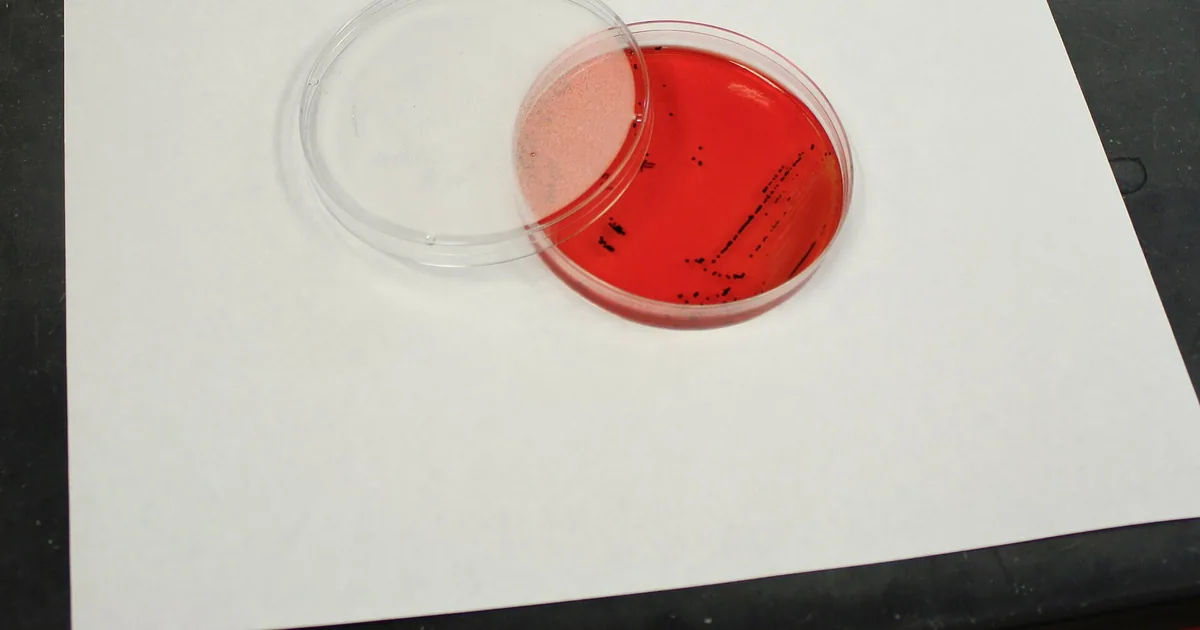
A Salmonella spec for cashew kernels has to answer four questions before a container is loaded: is the kernel raw or heat treated, who applied the kill step and how was it validated, what sampling plan decides a pass and what happens to the lot while the result is pending. This checklist is part of our guide to cashew food safety for importers, and it goes in the order a buyer meets the questions: before the requirement, in it, when you compare quotes and before shipment.
We name no processor. The sources are listed at the end, and we say where we could not find a figure.
What the texts say
| Source | What it says | Date or edition |
|---|---|---|
| Codex code for low-moisture foods | Tree nuts are in scope. Water activity is often well below 0.85, so Salmonella cannot multiply, but cells can stay viable for long periods and the infectious dose is thought to be very low. Treat with a validated microbial reduction step whenever feasible. End-product testing gives limited information | CAC/RCP 75-2015, 2015 text |
| FDA compliance policy guide 555.300 | Sampling scheme of 60, 30 or 15 sample units by product category and 4, 2 or 1 composites tested. One or more positive composites supports a charge of adulteration | Issued 1980, last revised March 1995 (revision list in the PDF) |
| FDA guidance on testing | FDA may act if a sampled lot has one or more positive composites, even if the manufacturer’s own tests were negative | March 2012, page current as of September 2018 |
| EU Regulation 2073/2005 | No Salmonella row for nuts, tree nuts or dried fruit in Chapter 1 | Consolidated text of 1 July 2026 |
| Japan import monitoring plan | Pathogenic microbes are an inspection item for the agricultural foods group that includes nuts | FY2026, 1 April 2026 to 31 March 2027 |
For scale only: in an FDA survey of raw, shelled tree nuts at US retail, 1 of 510 cashew samples was positive, 0.20 percent, against 15 of 3,374 across all eight nut types, 0.44 percent. The samples were collected from September 2015 to March 2017 and the study says nothing about any origin or kill step. Treat it as a reminder that the risk is low and real, not as a prediction for your lot.
Raw and heat treated are not the same product
The words on a quote decide who carries the risk, so pin them down. A raw kernel has not had a step that reduces Salmonella, and you or your customer must apply one before the product reaches a consumer if the product is eaten without further cooking. A heat treated kernel has had a step, and the useful question is whether that step was validated for this product and scale. The Codex code lists roasting and steam treatment followed by drying among the common thermal steps and irradiation and antimicrobial fumigation among the non-thermal ones, and asks that whichever is used be validated. We have no view on which step a given plant uses, and we name none.
Stage 1: before you write the requirement
- Decide raw or heat treated for your use. Why: it decides who owns the hazard. Good looks like: one line in your spec, such as “heat treated, validated” or “raw, kill step applied by buyer”.
- Name the market and the rule. Why: the EU has no Salmonella row for nuts in Regulation 2073/2005, and under general food law, Article 14 of Regulation 178/2002, food shall not be placed on the market if it is unsafe. The US treats a positive composite as grounds for a charge of adulteration under its policy guide. Good: the spec says which regime governs.
- Decide who tests and which result binds. Why: FDA’s guidance says a confirmed positive should be treated as valid unless there is clear evidence of inaccuracy, because contamination may be uneven. Good: a named laboratory and a named arbitration route.
- If you import into the US, link the spec to your FSVP file. Why: the file’s hazard analysis and verification choices must match. See FSVP for cashew importers.
Stage 2: the requirement
Our requirement form asks for your name, work email, company, country, grade, volume, packaging, certification required, first shipment, destination market and a free text box, and it takes a spec sheet as an attachment with an optional NDA tick. Put these lines in the free text box or the spec sheet:
- “Kernels: raw / heat treated (state which). If heat treated, send the validation summary and the last monitoring records for the kill step.”
- “Salmonella: not detected in ___ samples of ___ g, individual / composite, method ___, laboratory ___.”
- “Lot held until the result is received and the retained sample is sealed.”
- “Environmental monitoring programme for the packing area: describe it.”
We found no public figure that sets a cashew-specific Salmonella plan in the sources above, so the numbers are a contract term. Agree them with your food safety adviser, not with the first quote.
Need a price for this grade? Request a quote
Stage 3: comparing quotes
Ask every processor the same questions and compare the answers line by line.
- Describe the kill step, and show the validation. The Codex code asks for a step validated for the type of food, with a target reduction, critical limits and monitoring and verification during operation. Red flag: “heat treated” with nothing behind it.
- How is recontamination prevented after the step? The code asks for the most stringent hygiene after a pathogen reduction step: controlled traffic, dedicated workers and tools in the area. Good: the answer names zones and rules.
- What does the environmental programme look like? Because end-product testing gives limited information, the code suggests environmental monitoring to verify sanitation. Good: a programme with frequency and action rules.
- What is the release rule? The code says finished product should not be released until adequate investigation shows it complies, where contamination is suspected. Good: a written hold and release procedure.
- What happens on a positive? FDA’s guidance advises keeping tested food under the firm’s control until the final result, so it can be reconditioned, destroyed or diverted. Good: the contract says what you can reject and who pays for retest and storage.
Stage 4: before shipment
- Result before loading. Do not let the container be loaded until the result for your lot is in hand. Why: FDA’s guidance advises keeping tested food under the firm’s control until the final result, and a result after loading leaves you with a sealed container and an argument.
- Lot match. The certificate shows your lot code and the sampling plan, not a generic page. Why: a report with no lot code cannot show that your lot was tested, and the same report on two lots shows one of them was not.
- Retained samples. Sealed, dated and split between buyer and seller, Why: a confirmed positive is treated as valid unless there is clear evidence of inaccuracy, so a sealed sample is the only way to settle a disagreement.
- Your own receiving sample. Pull one at the dock and keep it, Why: it gives a dispute a second data point that the processor did not collect.
- Records for FSVP. If you are the US importer, Why: the verification choices in your file must match the evidence you actually hold.
Reading a Salmonella certificate
Check the lot code, the sampling plan stated on the report, the quantity analysed, the method, the laboratory name, the date and whether the sample was taken before or after packing. A line that says only “negative” is not a plan. If the report does not say how many samples of what size were analysed, you cannot tell whether it supports the claim.
Red flags
- No answer on whether the kernel is raw or treated.
- A validation claim with no summary and no monitoring record.
- One sample, one test, after loading.
- A refusal to keep a retained sample.
- The same report offered for different lots.
Our guide to cashew food safety for importers puts these lines next to the aflatoxin, residue and certificate checks, and the next step for most buyers is to send a requirement with the spec above. We reply within 24 business hours with one detailed quote from a Vietnamese processor that runs your grade.
Sources
- Codex Alimentarius, Code of Hygienic Practice for Low-Moisture Foods (CAC/RCP 75-2015)
- FDA Compliance Policy Guide Sec. 555.300, Foods, Except Dairy Products, Adulteration with Salmonella
- FDA, Guidance for Industry: Testing for Salmonella Species in Human Foods and Direct-Human-Contact Animal Foods (March 2012)
- Zhang et al., Survey of Salmonella in raw tree nuts at retail in the United States, Journal of Food Science 2021
- Regulation (EC) No 2073/2005 on microbiological criteria for foodstuffs, consolidated text of 1 July 2026, EUR-Lex
- Regulation (EC) No 178/2002 laying down the general principles and requirements of food law, EUR-Lex
- Japan Ministry of Health, Labour and Welfare, Imported Foods Monitoring and Guidance Plan for FY 2026
Frequently asked questions
Do raw cashew kernels carry Salmonella?
Sometimes. An FDA survey of 3,374 raw, shelled tree nuts bought at US retail between September 2015 and March 2017 found Salmonella in 15 samples, and in 1 of 510 cashew samples, or 0.20 percent. That is a small sample from one market and period, not a statement about any origin or supplier.
Is there a legal Salmonella limit for cashews in the EU?
We found no row for nuts, tree nuts or dried fruit in Chapter 1 of Regulation (EC) No 2073/2005, consolidated 1 July 2026. General food law still bars unsafe food, so the contract should state your own requirement, such as the plan and the method, instead of relying on a regulation row.
How should a cashew Salmonella test be specified?
State the number of samples, the quantity of each, whether they are tested individually or composited, the method and the laboratory and say that the lot is held until the result arrives. We found no public figure that sets a cashew-specific plan, so it is a contract term you agree with the processor.
What is a kill step for cashew kernels?
A kill step is a treatment that reduces Salmonella, such as roasting or steam treatment followed by drying, which the Codex code for low-moisture foods gives as examples. The code asks that the step be validated for the product, so ask for the validation summary and the monitoring records, not only the word treated.
VietCashew supplies Vietnamese cashew kernels on one quote. We publish no prices, because a cashew quote is only valid for days. How an order runs and what we publish.
Need a price for this grade?
Send the requirement. We reply within 24 business hours with one detailed quote for the packed kernels.
Request a quote