Guides / Sourcing
Buying Cashew Kernels Through a Broker or Straight From the Processor
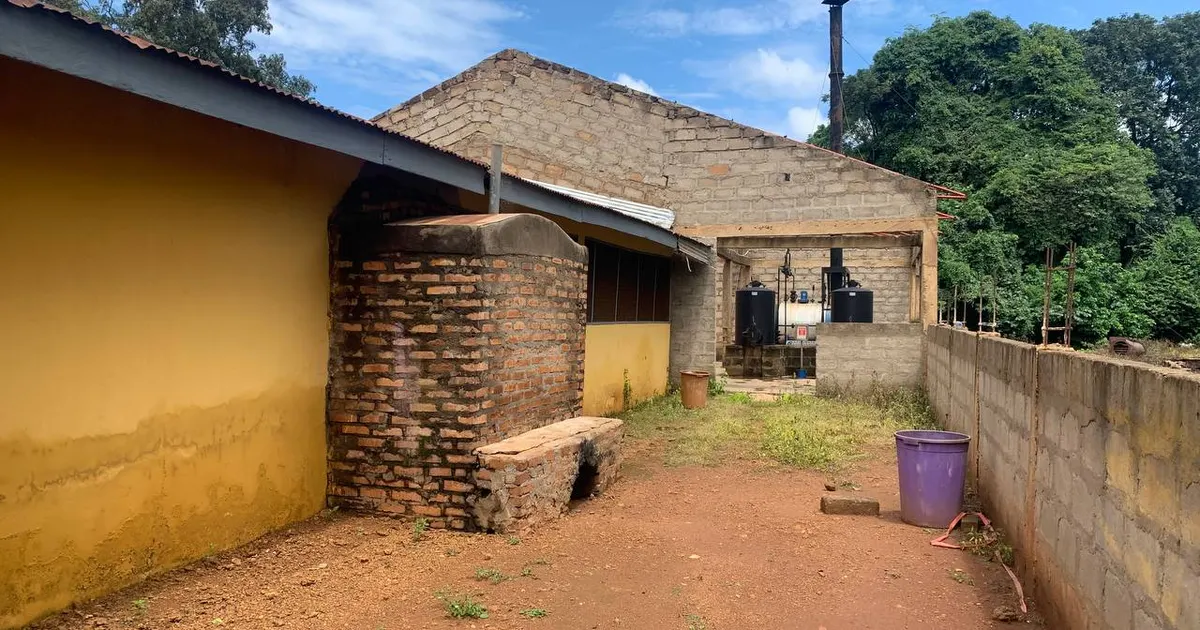
Whether to buy cashew kernels through a broker or straight from the processor comes down to two questions. Who is the legal seller on your contract, and how much of the plant behind the offer can you see? A broker or trader can be the right route for a small first lot or a mixed container. Going direct gives you the plant’s name, its records and a claim against the party that made the kernels. This guide compares the three routes and lists what to pin down before you accept any quote.
Three kinds of seller, and why the label matters
The trade uses “broker” loosely. The role changes who stands behind the kernels.
- Broker or selling agent. Brings buyer and seller together and takes a brokerage from one side or both. It does not normally own the goods. The AFI standard import contract, a general food import form last revised on 21 September 2020, has separate signature lines for the buyer, the broker and the seller, and a line for a party signing “as selling agent for” the seller.
- Trader. Buys kernels from one or several plants and sells them on its own paper. The trader is your contract party and invoice issuer. If the plant fails, your claim runs to the trader first.
- Processor. The plant that shells, peels, grades and packs. A processor can also trade, buying kernels from other plants to fill an order, so “direct” on a website does not prove the lot comes from the plant you were shown.
Ask each seller in plain words: “Are you the plant that packs these kernels, or do you buy them from one?” A straight answer is normal. An answer that moves to how long the company has been in business is not.
What changes with each route
| Question | Broker | Trader | Processor |
|---|---|---|---|
| Who is the seller on the contract | The plant, with the broker named as agent | The trader | The plant |
| Who holds the kernels before shipment | The plant | The trader or the plant | The plant |
| Whose records can you ask for | The plant’s, through the broker | The trader’s, and the plant’s only if it agrees | The plant’s directly |
| Who answers a quality claim first | The seller named on the contract | The trader | The plant |
| Can the packer be hidden from you | Yes, unless the contract names it | Yes, unless the contract names it | No |
| Can you switch the lot source later | Easily, if the contract is silent | Easily, if the contract is silent | Only by changing seller |
The last two rows matter most. A contract that does not name the packing plant lets the intermediary change the source between your sample and your shipment. The AFI cashew specification already asks for cartons marked with the name and address of the producer or packer, and for a packing list that shows lot, production and date codes against quantities. Write that into the contract and the question of who packed your kernels has an answer on paper.
Cost: what is known and what is not
There is no public survey of what brokers charge on cashew kernels, and the AFI contract form names no rate. It only provides that a dispute about payment of brokerage or commission between a party and the broker goes to arbitration under paragraph 10. So a statement that a broker adds a fixed percentage has no source we could open, and you should treat any such figure as a claim to test.
What you can do is compare like with like. Ask the broker, the trader and the processor to quote the same grade, colour class, packing, Incoterm, port and payment term, then read the differences.
- Does the price include the pre-shipment sample and the inspection?
- Is the quote valid for how long, and what moves it? See what actually moves a Vietnam kernel quote.
- Is the payment term the same? A low price with cash against documents is not comparable with a higher one on a letter of credit. See payment terms and Incoterms.
- Which landed cost does each produce? The landed cost worked example shows the lines to add.
A cheaper-looking broker quote can hide a thinner spec. A dearer processor quote can include checks you would otherwise pay for yourself.
Control: where you gain and lose
Contract and claim. Under the AFI form a buyer who intends to claim damages presents an itemised written statement to the seller or the seller’s agent, and the contract can be changed only in writing signed by all parties. That is workable with a processor as seller. With a trader as seller, you can only claim against the trader, who may have little recourse against the plant. With a broker, check that the plant, not the broker, is the named seller.
Information. Quality control and release records sit in the plant. A direct buyer can ask who releases a lot. See who releases your lot. Through an intermediary you often get a certificate of analysis and nothing else.
Speed and scope. A trader with several plants can sometimes fill a mixed container, offer a grade the first plant lacks, or ship sooner from a plant that has stock. That is a real advantage on a first or irregular order. It is a weaker advantage for a repeat programme where the spec must stay constant.
Communication. Every extra hop adds a delay and a chance of a misread spec. For a spec with tight count, colour and moisture limits, fewer hops help.
Need a price for this grade? Request a quote
The US import rule that the route cannot remove
If you import cashew kernels into the United States, the FDA foreign supplier verification rule refers to the importer and the foreign supplier by role. As of October 2026, 21 CFR 1.500 defines the importer as the US owner or consignee of the food at entry and the foreign supplier as the establishment that manufactures or processes the food. A trader or broker is not that establishment.
Under 21 CFR 1.505 the importer evaluates the supplier’s food safety performance and history before approving it, and under 21 CFR 1.506 it must have written procedures to import only from approved suppliers, with limited exceptions that require adequate verification before import. An importer who buys through an intermediary and never learns which plant packed the lot cannot show that evaluation. The practical step is simple: get the plant’s name and address before you sign. See what FDA expects an importer to hold. This is not legal advice; confirm your own duties with a qualified person.
A trader or broker that never makes, packs or holds the kernels does not fit the words of the facility definition in 21 CFR 1.227, which turns on manufacturing, packing and holding. The plant behind the offer is the party in the FDA registration question. See our page on FDA registration for a cashew processor.
A rule of thumb
- Buy direct when the spec is tight, the programme repeats, a private label or retailer approves suppliers by name, or you need plant records for your own audits.
- Use a trader or broker for a first small lot, a mixed container or a grade you cannot find from one plant, and only with the plant named in the contract.
- Whichever route you choose, keep three terms in the contract: the packing plant by name and address, the inspection point with whose result binds, and the remedy if the lot misses.
Questions to put to any seller
- Are you the plant that packs these kernels? If not, which plant is it, and will the contract name it?
- Who is the seller on the contract and the invoice?
- Which grades are in stock now, and from which production dates?
- Who draws the pre-shipment sample, and can I have two sealed samples, one kept for a dispute? The AFI specification asks for exactly that.
- What does the plant’s own release record look like, and can I see a blank one?
- If the lot misses, who pays for re-sorting, replacement or an allowance, and by when?
If you want one detailed quote without opening each conversation yourself, send the requirement with the grade, count, colour class, pack and destination. A quote is only comparable with others if the spec is complete, so the spec sheet checklist is the place to start.
Sources
- AFI, Standard Import Contract (revised 21 September 2020), signature block and paragraphs 1, 3, 10, 12 and 13
- AFI, Specifications for Cashew Kernels (updated September 2023), general requirements D and E and appendix II note
- 21 CFR 1.500, FSVP definitions of importer and foreign supplier (Cornell LII)
- 21 CFR 1.505, evaluation of foreign supplier performance (Cornell LII)
- 21 CFR 1.506, supplier verification and approved suppliers (Cornell LII)
- 21 CFR 1.227, definitions for food facility registration (Cornell LII)
Frequently asked questions
What is the difference between a cashew broker and a cashew trader?
A broker arranges a deal between a buyer and a seller and does not usually own the goods. A trader buys the kernels and sells them on its own paper, so it is the party on your contract and invoice. The AFI standard import contract has signature lines for a buyer, a broker and a seller, which shows how the trade has long separated the roles.
Does a broker make cashew kernels cheaper or dearer?
There is no public survey of cashew kernel brokerage rates, and the AFI form names no rate, so any claim either way is unsupported. What you can compare is the same spec, Incoterm and payment term quoted by a broker and by a processor. Normalise both quotes before you read the price.
Who do I claim against if the container misses spec?
The party named as seller on your contract, which may be a trader and not the plant. The AFI form lets a claim go to the seller or the seller's agent. With a pure broker the seller is still the plant, so make sure the contract names it and carries the inspection and remedy terms.
Does a US importer still need to know the plant if it buys through a broker?
Yes. Under the FDA foreign supplier verification rule the foreign supplier is the establishment that makes or processes the food, not the intermediary. The importer has to evaluate and approve that supplier before importing. Ask for the plant's name and address early, not at the shipping stage.
VietCashew supplies Vietnamese cashew kernels on one quote. We publish no prices, because a cashew quote is only valid for days. How an order runs and what we publish.
Need a price for this grade?
Send the requirement. We reply within 24 business hours with one detailed quote for the packed kernels.
Request a quote